
Tire Rotation
Tire Rotation Princeton, TX
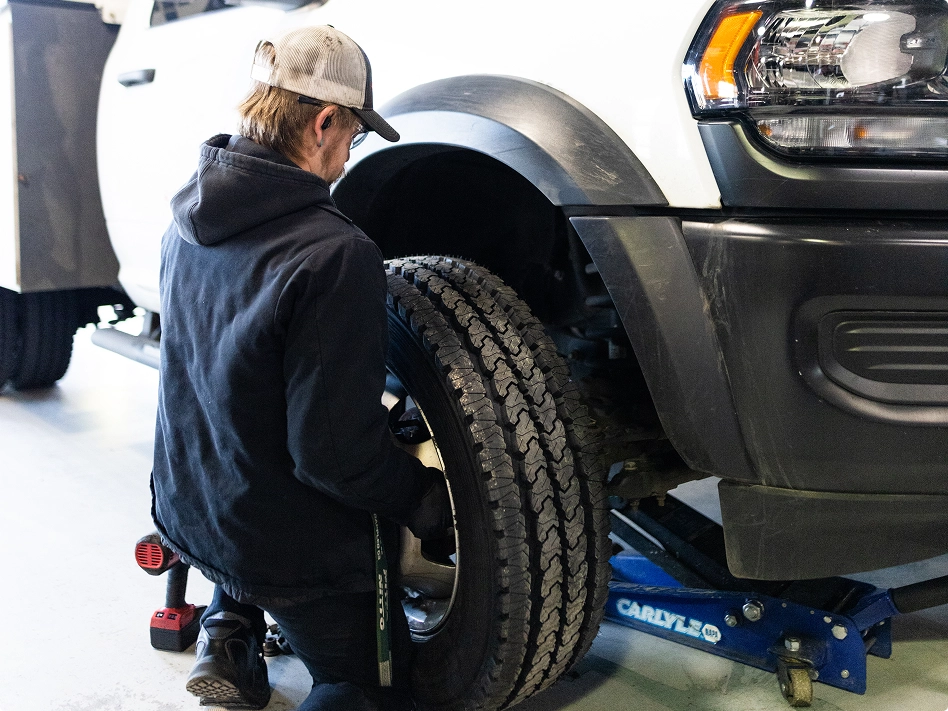
Tire rotations are crucial for your car’s overall performance and safety. They help ensure even tire wear by moving each tire to a different position on the vehicle regularly. This extends the lifespan of your tires, improves traction and handling, and maintains proper alignment. Tire rotations also contribute to better fuel efficiency and a smoother, more comfortable ride.
FAQs about Tire Rotations
The recommended tire rotation interval varies depending on your vehicle’s make and model. As a general guideline, many manufacturers recommend tire rotations every 6,000 to 8,000 miles or during every oil change. Refer to your vehicle’s owner’s manual for specific recommendations.
Signs that your tires may need rotation include uneven tire wear patterns, increased road noise, vibrations, and reduced handling or traction. If you notice any of these symptoms, it’s advisable to have your tires inspected and rotated as needed.
While some car owners with the necessary tools and experience may choose to rotate their tires themselves, it’s essential to follow the manufacturer’s recommended rotation pattern and ensure that the tires are properly balanced afterward. Many prefer to have professional technicians handle tire rotations to ensure accuracy and safety.
Regular tire rotations help extend the life of your tires by promoting even wear. This not only saves you money on premature tire replacements but also enhances the safety and performance of your vehicle by maintaining proper traction and handling characteristics.
Tire Rotations are important, why?
Tire rotations are routine maintenance services that involve moving each tire to a different position on the vehicle to ensure even tire wear. The goal is to extend the lifespan of your tires by distributing wear more evenly among all four tires. Common tire rotation patterns include front-to-back, side-to-side, and crisscross rotations.
During a tire rotation, the technician will:
- Remove each tire from the vehicle.
- Inspect the tires for signs of damage or unusual wear.
- Reinstall the tires in a specified rotation pattern, which may vary depending on the type of vehicle and tire configuration.
- Balance the tires to ensure they are evenly weighted, reducing vibrations and ensuring smooth performance.
Regular tire rotations are essential for maintaining tire longevity, improving handling, promoting even tire wear, and ensuring a safe and comfortable driving experience. They are typically performed as part of routine maintenance and help maximize the value of your tire investment.