
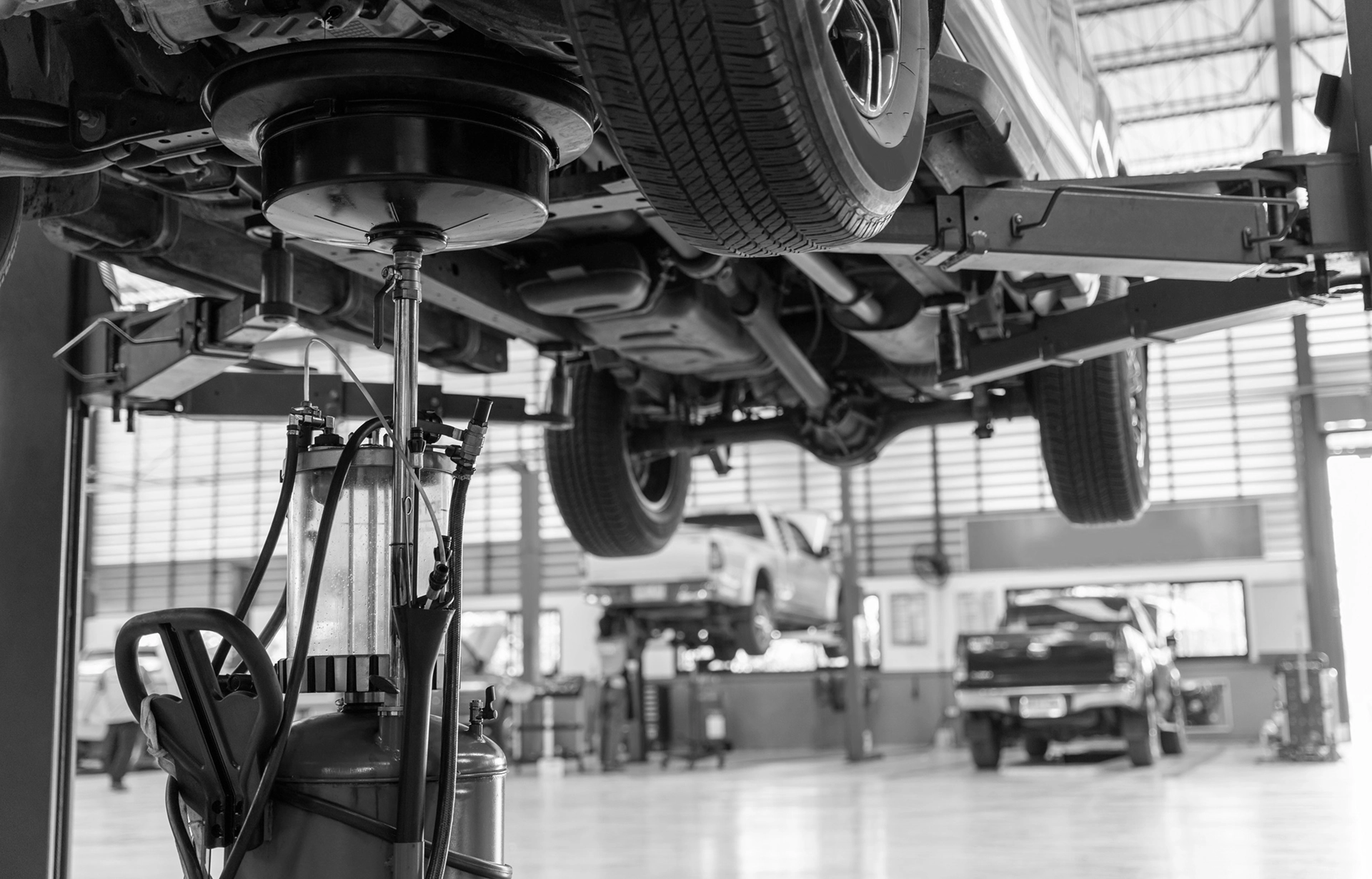
Cooling System
Auto Radiator & Cooling System Repair Tyler, TX
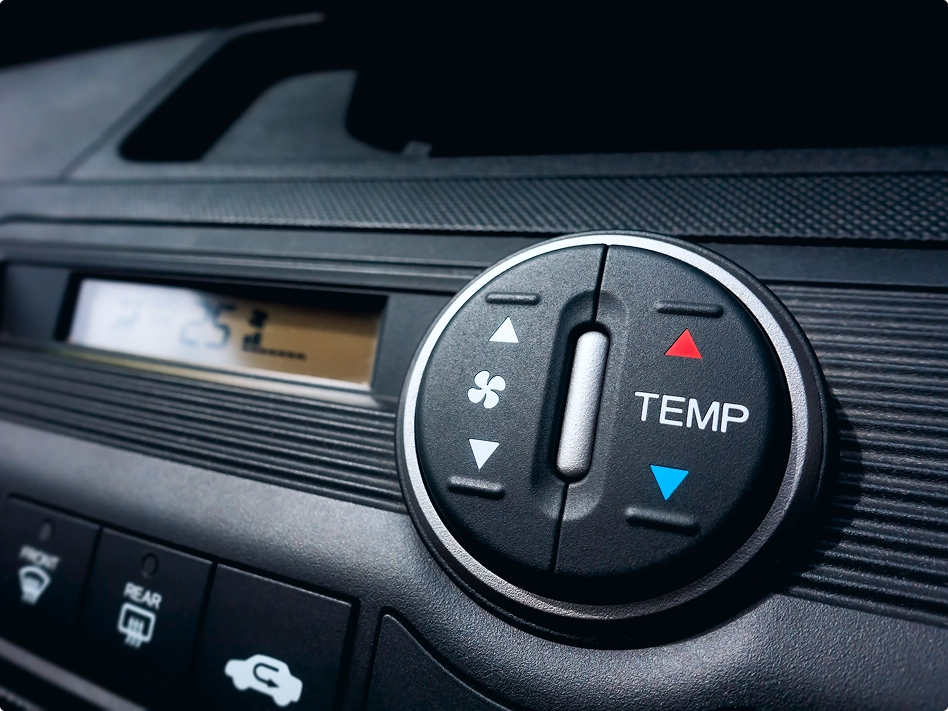
The cooling system service is vital for your car because it helps regulate the engine’s temperature, preventing it from overheating. An overheated engine can cause severe damage and lead to expensive repairs. Regular cooling system maintenance also ensures the efficient operation of your vehicle, prolonging the lifespan of critical engine components and enhancing fuel efficiency. Neglecting cooling system service can result in decreased engine performance, increased emissions, and an overall decrease in your car’s reliability.
Frequently Asked Questions
Cooling system service frequency can vary based on your vehicle’s make and model. In general, it’s recommended to have the cooling system inspected and serviced annually or as per the manufacturer’s recommendations outlined in your owner’s manual.
Common signs include the engine overheating, coolant leaks, unusual odors, and a rising temperature gauge on the dashboard. If you notice any of these symptoms, it’s crucial to have your cooling system inspected promptly.
Cooling system maintenance typically includes flushing and replacing the coolant, checking and tightening hose connections, inspecting the radiator for leaks or damage, and testing the thermostat and radiator cap. It may also involve checking the water pump and fan for proper operation.
While some basic cooling system maintenance tasks, like topping off coolant levels, can be performed by car owners, a comprehensive service should be handled by a qualified mechanic or technician. They have the necessary tools and expertise to thoroughly inspect and service the cooling system, ensuring it functions correctly and safely.
Cooling System Maintenance
Cooling system maintenance involves a series of tasks designed to ensure the efficient operation of the car’s cooling system, which includes the radiator, hoses, water pump, thermostat, and coolant (antifreeze). Here are some key aspects of cooling system maintenance:
- Coolant Flush: This process involves draining the old coolant from the system, flushing out any contaminants or sediment, and refilling it with fresh coolant mixed with water to the correct concentration. This prevents corrosion and helps maintain the proper temperature range.
- Pressure Testing: Mechanics may perform a pressure test to check for leaks in the cooling system, which can lead to coolant loss and overheating.
- Hose Inspection: Cooling system hoses and connections are inspected for signs of wear, cracks, or leaks. Damaged hoses are replaced to prevent coolant leaks.
- Thermostat and Radiator Cap Check: The thermostat regulates coolant flow, while the radiator cap maintains system pressure. Both components are inspected and replaced if necessary.
- Water Pump and Fan Inspection: The water pump circulates coolant through the system, while the fan helps dissipate heat. These components are checked for proper operation and replaced if they show signs of malfunction.
Regular cooling system maintenance helps prevent overheating, engine damage, and costly repairs while ensuring your vehicle operates efficiently and safely.