
Batteries, Starting, & Charging
Car Battery, Starting & Charging Repair Princeton, TX
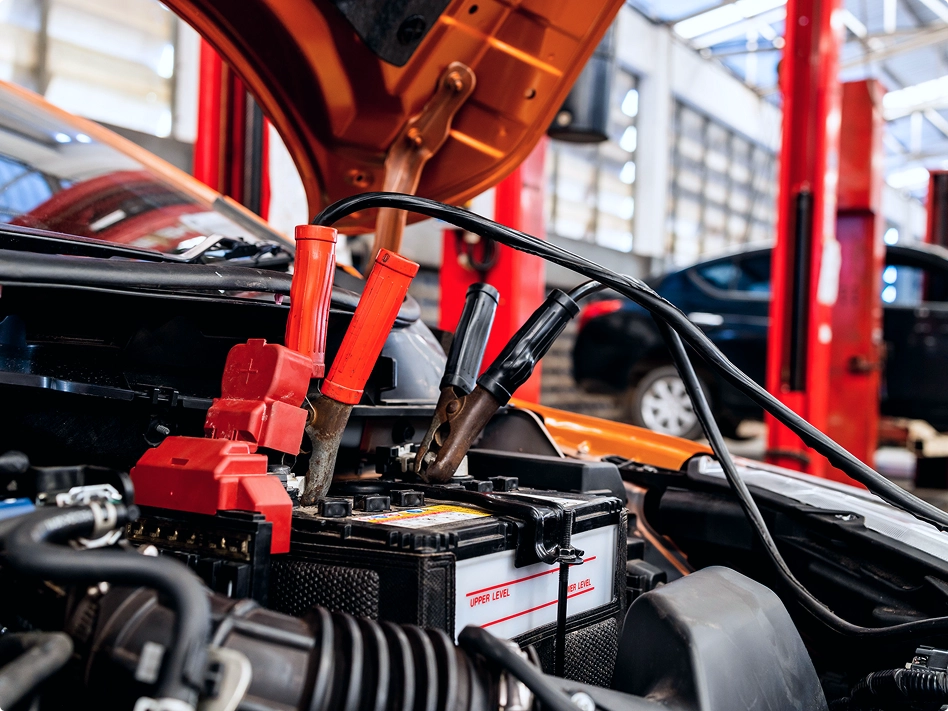
The Batteries, Starting, & Charging systems in a car are essential components that work together to provide electrical power, initiate the engine’s startup, and ensure that the vehicle’s electrical systems function correctly.
These systems are essential for the overall functionality and reliability of a vehicle. Proper maintenance and periodic inspections of these components are crucial to ensure that your car starts reliably and its electrical systems operate correctly.
Frequently Asked Questions
This issue could be due to a faulty starter motor. While the battery may have sufficient power, a malfunctioning starter motor can prevent the engine from cranking. It’s essential to have both the battery and starter motor tested to determine the cause of the problem.
Signs of a failing alternator include dimming headlights or interior lights, a warning light on the dashboard (often shaped like a battery), and a weak or dead battery even after it has been charged. Unusual noises, such as grinding or whining, can also indicate alternator issues.
The lifespan of a car battery varies depending on factors like climate, driving habits, and the quality of the battery. Typically, a car battery can last anywhere from 3 to 5 years. Regular maintenance, such as cleaning terminals and securing connections, can help prolong its life. It’s advisable to have the battery tested during routine service to monitor its condition.
Yes, a malfunctioning alternator can lead to a drained battery. The alternator’s primary job is to charge the battery while the engine is running. If it fails to do so, the battery will not receive the necessary charge and may eventually become depleted. This can result in the car not starting or experiencing electrical issues.
- Regularly inspect the battery terminals for corrosion and clean them if necessary.
- Ensure that the drive belt connecting the alternator to the engine is in good condition and properly tensioned.
- Pay attention to warning lights on the dashboard and address any issues promptly.
- Have your battery, starter, and alternator tested during routine maintenance to catch potential problems early.
- Avoid leaving electrical accessories running when the engine is off, as this can strain the battery.
Education and LearningWhat are the different parts of the electrical system?
- Battery:
- The battery is the heart of the electrical system in a car. It stores electrical energy in the form of chemical energy and provides power to various electrical components when the engine is not running.
- The primary function of the battery is to supply electricity to start the engine. When you turn the ignition key or push the start button, it sends an electrical signal to the starter motor.
- Batteries also provide power for various vehicle accessories when the engine is off, such as lights, radio, and power windows.
- Starting System:
- The starting system includes several components, with the primary one being the starter motor. When you turn the ignition key or push the start button, the starter motor engages and turns the engine’s crankshaft.
- The starter motor requires a significant amount of electrical current, which is supplied by the battery. This action initiates the internal combustion process, allowing the engine to run independently.
- The ignition system, which includes components like the ignition coil and spark plugs, also plays a role in the starting process by creating sparks that ignite the fuel-air mixture in the engine cylinders.
- Charging System:
- The charging system ensures that the battery is replenished with electrical energy while the engine is running. It prevents the battery from becoming depleted during normal vehicle operation.
- The key component of the charging system is the alternator. The alternator is driven by a belt connected to the engine’s crankshaft and generates electricity when the engine is running.
- The alternator produces electrical current, which is used to recharge the battery and power various electrical systems and accessories while the vehicle is in operation.
- A voltage regulator is part of the charging system and helps control the voltage output from the alternator to prevent overcharging or undercharging of the battery.